
Barony Deserters and Disciples DLC Review: New Races & Classes Explained
Explore the Barony Deserters and Disciples DLC with 5 new races, classes, magic systems, and gameplay innovations. Dive into the full breakdown.
Independent fan-made guide. Not affiliated with Turning Wheel LLC.
Quick Guide
- Step 1Use official or clearly documented modding paths.
- Step 2Separate official DLC, source-code access, Workshop content, and community mods.
- Step 3Check version compatibility before installing or recommending a mod.
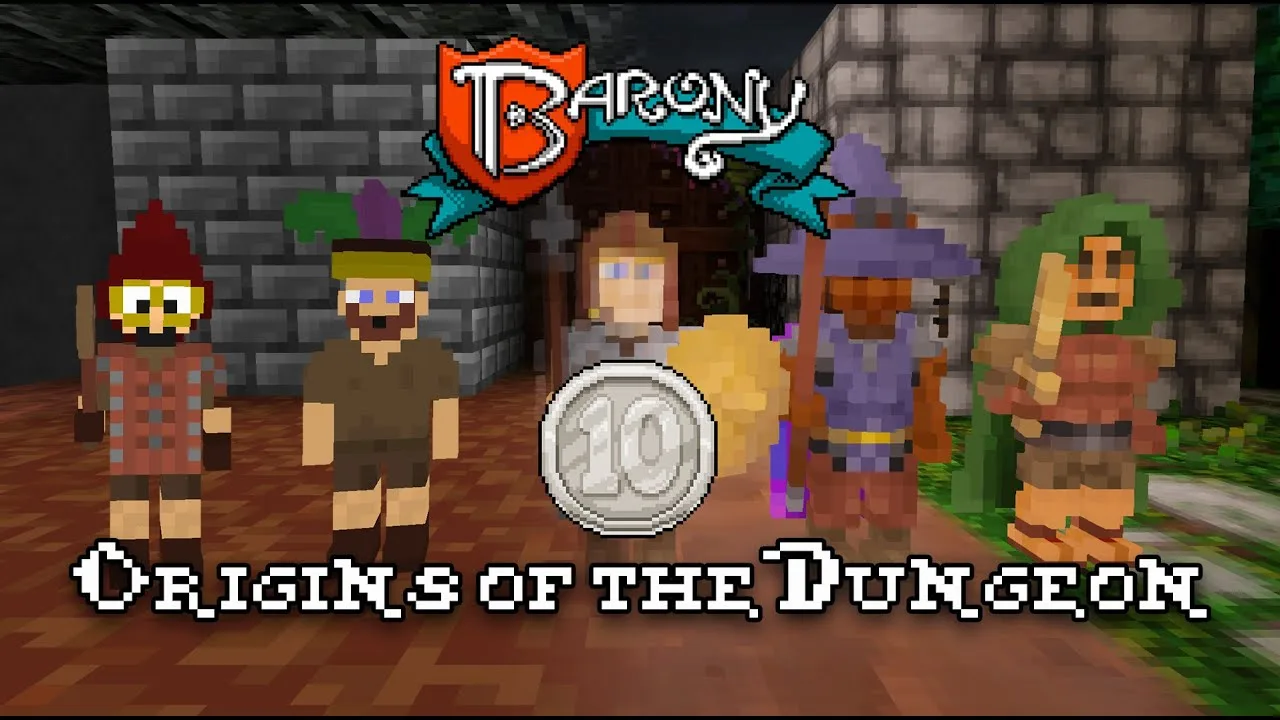
The Barony Deserters and Disciples DLC has completely reshaped the dungeon-crawling experience in one of indie gaming’s most beloved titles. With five brand-new races and their signature classes, this expansion doesn’t just add content—it redefines how players approach magic, combat, and progression. Whether you’re a veteran delver or stepping into the world for the first time, understanding the mechanics behind these new characters is essential to mastering the game.
This update builds on the momentum of the Instruments of Destruction: Part 1 release, introducing a robust new magic system that splits spellcasting into three distinct schools: Sorcery, Thaumaturgy, and Mysticism. These changes are central to what makes the Deserters and Disciples DLC so compelling—each race brings unique mechanics that interact with these schools in unexpected ways. From fire-breathing Salamanders to spiritually attuned Hermits, every class offers a fresh playstyle that rewards experimentation and long-term planning.
The New Magic System: Sorcery, Thaumaturgy, and Mysticism
One of the most significant overhauls in the Barony Deserters and Disciples DLC is the complete transformation of the magic system. Gone are the days of generic “Magic” and “Casting” skills. Instead, players now choose from three specialized disciplines, each tied to different character attributes and strategic advantages.
| Magic School | Core Focus | Key Stats | Signature Traits |
|---|---|---|---|
| Sorcery | Direct offensive spells, elemental control | INT | High damage, powerful utility, material manipulation |
| Thaumaturgy | Healing, protection, divine wrath | INT + CON | Restorative magic, spiritual insight, righteous smiting |
| Mysticism | Mind control, corruption, spirit summoning | INT + CHR | Mental domination, environmental alteration, stealth |
This shift means your build choices matter more than ever. For example, a Sorcerer-focused character will thrive on raw power and precision, while a Thaumaturgist excels in sustained support roles. Meanwhile, Mystics manipulate the battlefield through psychological warfare and hidden threats—perfect for ambush tactics.
A standout addition is the introduction of “Touch” spells, where certain abilities can be held in your hand until released with a simple attack. This mechanic adds a layer of timing and strategy to spellcasting, especially during fast-paced encounters. Players report that mastering this feature can turn the tide in boss fights, particularly when combined with high Dexterity or Perception stats.
Additionally, the Grimoire Management system allows players to quickly filter spells by school, making it easier to manage multiple magical paths. Tiers of training ensure that early-game spells don’t overshadow later ones—once you reach a mastery level, simpler spells stop improving, encouraging you to evolve your arsenal.
Pro Tip: Use the “+” indicator on spell icons to identify which spells scale well with your current proficiency level. This helps avoid wasting resources on spells that won’t grow with your character.
Meet the 5 New Races & Their Signature Classes
Each race in the Deserters and Disciples DLC comes with its own lore, strengths, weaknesses, and unique abilities. These aren’t just cosmetic changes—they fundamentally alter how you play. Here’s a breakdown of what each race brings to the table:
Salamander – Fire-Wielder from Another Realm
Salamanders are fierce, flame-powered protectors from a distant plane. They rely on Fervor (FR), a resource similar to MP but with unique regeneration mechanics. Fervor only regenerates to 50% naturally, but actions like killing enemies boost it beyond that threshold.
When Fervor exceeds 75%, Salamanders enter a radiant state—levitating, moving faster, and gaining increased power. The next spell cast after this state costs no Fervor, making it ideal for combo attacks. When low on Fervor, they harden into stone-like forms, gaining temporary invulnerability and better defense—perfect for surviving tough battles.
Player Experience: Many players describe the Salamander as “a walking flamethrower with a tank mode,” ideal for aggressive, high-risk runs.
Paladin – Holy Warrior of the Eternals
Paladins combine brute strength with divine magic. Equipped with a steel claymore and chain armor, they deal devastating area damage with critical strikes and can parry incoming attacks. Their off-hand Holy Symbol enhances protective spells and increases Thaumaturgy PWR.
The key ability, Divine Zeal, adds smite damage to physical attacks—especially effective against undead and demons. They also carry holy water, usable both for healing and dealing damage. This dual-purpose toolkit makes Paladins versatile in both PvE and PvP scenarios.
| Ability | Effect | Strategic Use |
|---|---|---|
| Claymore Parry | Deflects attacks, pushes back foes | Defensive positioning |
| Divine Zeal | Smite damage on melee hits | Undead-heavy dungeons |
| Holy Water | Heal or throw for damage | Emergency healing |
Dryad – Guardian of the Wild
Dryads grow foliage over time, which boosts their magical power and provides passive defense. However, wearing a helmet disables this growth, forcing trade-offs between protection and spell potency.
They can use magic to cover themselves in thorns, damaging melee attackers, and even germinate shrubs that drop nutritious nuts. While slow-moving and vulnerable to fire, their natural resilience makes them excellent supports in team-based runs.
Community Reports: Dryads are popular among players who enjoy “slow and steady” strategies, especially in longer dungeon sessions.
Scion – Scholar of All Magics
The Scion stands out as the only class equally skilled in all three magic schools. They wield an Archon Scepter that fires powerful blasts and can recharge via surrendered spells. Their Dark Icon of Void Rifts phases enemies into stasis, and they can summon Earth Sprites to crush foes.
Scions also benefit from the Blessed Meals ritual, which grants nourishment to allies who eat during its duration. Combined with their Telekinesis spell, they can drag sprites across the battlefield—ideal for crowd control.
| Trait | Benefit | Limitation |
|---|---|---|
| Equal magic skill | No specialization bias | Less powerful in any one school |
| Earth Sprite | Area damage, terrain disruption | Requires precise timing |
| Void Rift | Stuns enemies | Limited duration |
Myconid – Fungal Outcast
Myconids thrive in decayed forests and grow foliage as they advance, improving defense and spore potency. They can consume rot to gain energy and create edible mushrooms that burst with toxic spores when triggered.
Their body is dense but weak to blades, and they’re immune to many status effects. Short Myconids are especially efficient at benefiting from rot consumption, making them ideal for survival-focused builds.
| Ability | Function | Best Used In |
|---|---|---|
| Spore Release | Poisons and slows nearby foes | Tight corridors |
| Germination | Creates defensive mushroom | Defense-heavy runs |
| Rot Consumption | Restores stamina | Long dungeon runs |
Hermit – Solitary Mystic
Hermits live in isolation, crafting shillelaghs over months and bonding with ducks that act as distractions. Their duck can be thrown to draw enemy attention, allowing for surprise melee attacks.
They use Deep Shade to create personal darkness and Project Spirit to take the form of a Fowl Spirit, allowing exploration without risk. The shillelagh’s clubbed end deals extra damage based on the number of negative status effects on the target.
Insider Tip: The Hermit’s smoking pipe helps calm the mind before casting—this isn’t just flavor; it reduces magic resistance penalties.
Gremlin – Chaotic Destroyer
Gremlins are short, hated by almost everyone, and driven by a need for destruction. The more chaos they cause, the faster and fiercer they become. They can dismantle furniture using their Deface ability, sometimes uncovering hidden items.
While poor at resisting physical damage, their agility and dark vision make them perfect for stealthy infiltration. They’re also immune to fear effects—a rare trait in the game.
Sapper – Tunnel Engineer
Sappers specialize in traps and explosives. They use Booby Trap to prime breakable objects, creating chain reactions. Their frypan doubles as a cooking tool and shield, and they can craft grease balls from rations and towels.
With cleats that resist knockback and a flail that knocks down greased enemies, Sappers excel in controlled environments.
Gnome – Gold-Sensing Alchemist
Gnomes sense gold in the dark and restore magic faster when holding wealth. They can forge jewels from coins using Mysticism, turning worthless glass into valuable artifacts.
These jewels can buy loyalty from NPCs—even hostile ones. Gnomes are less likely to develop Strength, but their gold-based mechanics reward hoarding and smart trading.
Bard – Musical Warrior
Bards bring music and movement to battle. Their rapier uses Dexterity instead of Strength, and successful parries trigger ripostes. Two instruments—flute and lyre—enhance party stats: the flute boosts Dexterity, the lyre improves night vision and magic resistance.
With Alter Instrument, they can transform one instrument into another, consuming gold in the process. This flexibility makes Bards highly adaptable in group play.
Gameplay Enhancements & Quality-of-Life Updates
Beyond new races, the Deserters and Disciples DLC includes several quality-of-life improvements that elevate the overall experience:
- Treasure Rooms now appear in dungeons with locked doors requiring matching keys.
- Mystic Orbs are no longer hidden—they appear in dedicated treasure rooms.
- Workbenches allow non-Mechanist classes to tinker without carrying a kit.
- Cauldrons enable cooking, alchemy, and even the creation of grease balls and flavored rations.
| Feature | Purpose | Player Benefit |
|---|---|---|
| Workbench | Stationary tinkering station | Reduces inventory clutter |
| Cauldron | Cooking + alchemy | Converts waste into useful items |
| Flavored Rations | Buffed food | Temporary stat boosts |
| Grease Balls | Crowd control | Disrupts enemy formations |
The RPG system tweaks are also worth noting. Class-specific stat growth ensures tanks have more HP, ambushers get higher RGN, and casters gain more MP. Intelligence now contributes to magic resistance, and Charisma restores HP/MP on level-up—making character progression feel more meaningful.
Stat Insight: After 50 Lore skill, appraisal speed increases significantly, reducing the need to scan every item. This change alone saves players up to 30 minutes per run.
Final Thoughts: Why the Deserters & Disciples DLC Matters
The Barony Deserters and Disciples DLC isn’t just an expansion—it’s a renaissance. With five deeply thought-out races, a reimagined magic system, and dozens of gameplay innovations, it raises the bar for indie RPGs. Whether you're drawn to the fiery Salamander, the mystical Hermit, or the chaotic Gremlin, there’s a class that challenges your usual playstyle.
For fans of depth, customization, and emergent storytelling, this DLC delivers. It transforms every dungeon run into a unique journey shaped by your choices, not just random spawns.
🔗 Learn more about the official release on the Barony Game Website
FAQ
Q: What does the "Barony Deserters and Disciples" DLC include? A: The Barony Deserters and Disciples DLC introduces five new playable races—Salamander, Paladin, Dryad, Scion, and Myconid—each with a unique class, special abilities, and tailored progression systems. It also features a revamped magic system with three schools: Sorcery, Thaumaturgy, and Mysticism.
Q: Can I play the Deserters and Disciples DLC with my existing save file? A: Yes! The DLC is fully compatible with existing games. Your previous progress carries over, and you can switch to any of the new races at any time—though some races unlock after completing the main story.
Q: Are the new magic schools balanced across all classes? A: Yes. Each school is designed around specific stat combinations and playstyles. Sorcery favors INT, Thaumaturgy combines INT and CON, and Mysticism leans on INT and CHR. This balance ensures no single path dominates.
Q: How do the new Treasure Rooms work in the Deserters and Disciples DLC? A: Treasure Rooms are secured by colored locks (Iron, Bronze, Silver, Gold) and require matching keys found on the same floor. Higher-tier rooms offer rarer loot and more complex security measures. Some are trapped, adding risk and reward.
Related Guides
DLC Guide: Explore Monster Races, Classes & Soundtrack Add-ons
Discover all DLCs for unique gameplay, monster skins, and immersive music. Perfect for roguelike fans.
Mod: Ultimate Guide to Mastering Mesmer & Multiplayer
Discover the best mod tips for Mesmer builds and 15-player multiplayer. Unlock powerful strategies today.
Mods Guide: Workshop Picks, Safer Installs, and Compatibility Checks
Plan mods around Workshop sources, compatibility checks, backups, and update-safe testing habits.
Workshop: Ultimate Guide to Mods, Tips & Survival for New Players
Master with this in-depth guide on the Steam Workshop, beginner tips, and essential gameplay strategies.