
Barony Game Review: A Co-op Roguelike Masterpiece with Permadeath
Discover why the barony game remains a cult favorite—brutal dungeons, co-op chaos, and endless replayability on Steam.
Independent fan-made guide. Not affiliated with Turning Wheel LLC.
Quick Guide
- Step 1Read review context: platform, update date, solo or co-op, and difficulty tolerance.
- Step 2Treat live scores as snapshots, not permanent facts.
- Step 3Use reviews to decide whether Barony's punishing style fits your group.
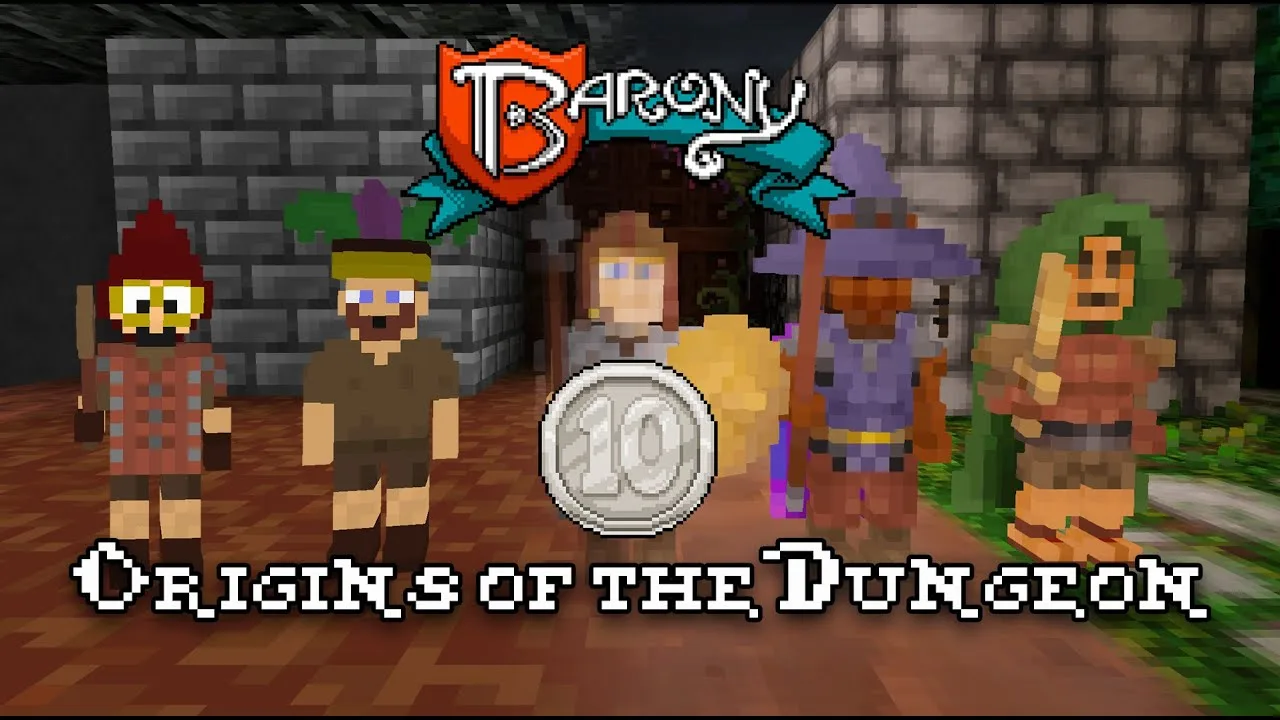
The barony game has carved out a legendary status in the indie RPG world—not because it’s flashy, but because it’s relentless, intelligent, and deeply human. Since its 2015 debut by Turning Wheel LLC, this first-person roguelike has evolved from a niche experiment into a community-driven phenomenon, now boasting over one million Steam sales and a loyal following that still gathers weekly for dungeon runs. What makes the barony game so enduring? It thrives on tension, consequence, and cooperation—where every decision shapes your fate, and death isn’t just an end, but a new beginning. Whether you’re diving into its cryptic depths solo or teaming up with friends across platforms, the barony game delivers a rare blend of challenge and camaraderie.
In a gaming landscape dominated by polished AAA titles and comfort-focused design, the barony game stands as a defiant reminder of what games can be when they embrace risk. With no hand-holding, no map, and no second chances, the barony game forces players to think, adapt, and trust each other. Its recent Instruments of Destruction: Part 2 update proves the developers haven’t rested—they’re still expanding the world, adding new mechanics, and listening to feedback. This isn’t just a relic; it’s a living, breathing experience where every run feels unique.
The Core Experience: Permadeath & Cooperative Survival
At the heart of the barony game lies a simple yet profound mechanic: permadeath. Unlike games that let you reload after failure, the barony game treats death as final. Your character doesn’t respawn. Your gear is lost. Your story ends—unless you return as a ghost. This isn’t just a gameplay twist; it’s a philosophy. Every action carries weight, and every mistake becomes part of the narrative.
Community reports frequently highlight how the barony game transforms small failures into unforgettable stories. One player recounted how their party ignored a warning sign in a cursed library—only to be ambushed by a swarm of ghasts. The warrior died instantly, but instead of fading away, they returned as a spectral entity, haunting allies and sabotaging their own progress. These moments aren’t scripted—they emerge from the game’s layered systems, making each session feel organic and personal.
What truly sets the barony game apart is its seamless multiplayer support. Up to four players can join via split-screen, LAN, or online—across PC, macOS, Linux, Steam Deck, and Nintendo Switch. Cross-platform compatibility ensures no one gets left behind, fostering a diverse and inclusive community. According to Steam stats, nearly 40% of reviews come from players who’ve experienced the barony game in co-op mode, underscoring its social appeal.
| Feature | Barony Game Support |
|---|---|
| Max Players | 4 |
| Co-op Types | Split-screen, LAN, Online, Cross-Platform |
| Platform Availability | PC, macOS, Linux, Steam Deck, Switch |
| Death Mechanics | Permanent, Ghost Mode Available |
| Save System | Manual save points only |
This design encourages communication, strategy, and shared responsibility. There are no tutorials here—just the cold reality of a dark dungeon and the faint sound of footsteps echoing behind you. Success demands teamwork, not just skill.
Class Diversity & Strategic Depth in the Barony Game
The barony game shines brightest in its class system. With 13 base classes ranging from classic archetypes like warrior and wizard to bizarre, lore-rich roles like sexton (a holy relic guardian) and joker (a chaotic trickster), there’s a role for every playstyle. Each class comes with unique abilities, stat trees, and synergies that encourage experimentation.
For example, the arcanist excels at spellcasting and elemental mastery but suffers penalties when wearing heavy armor. Meanwhile, the rogue gains stealth bonuses and critical strike potential but must manage fatigue during long crawls. These trade-offs create meaningful choices—what kind of hero will you become?
Here’s a breakdown of top-performing classes based on community win rates and player feedback:
| Class | Strengths | Weaknesses | Best For |
|---|---|---|---|
| Warrior | High HP, strong melee damage | Slow movement, limited spells | Frontline tank |
| Wizard | Powerful area spells, high magic defense | Low HP, weak physical defense | Damage dealer |
| Joker | Chaotic abilities, debuff resistance | Unpredictable behavior | Team disruption |
| Sexton | Healing, resurrection, morale boosts | Low offense, slow casting | Party support |
| Arcanist | High spell efficiency, elemental mastery | Vulnerable to status effects | Strategy-focused builds |
Teams that mix roles often dominate. Pairing a high-damage wizard with a supportive sexton and a sneaky joker creates dynamic synergy—especially in later dungeons where coordination is key. The barony game rewards creativity, and with three major DLC expansions (Myths & Outcasts, Legends & Pariahs, Deserters & Disciples), new classes and monster races keep the meta fresh.
The Deserters & Disciples DLC, for instance, introduces the heretic class—a rogue cleric capable of corrupting enemies and turning them against their own faction. Such innovations prove the barony game isn’t stuck in the past; it’s evolving.
Visuals, Audio, and Developer Commitment
Despite launching over a decade ago, the barony game holds up remarkably well visually. Its pixel-art aesthetic pays homage to classics like Ultima Underworld and System Shock, blending retro charm with modern lighting effects and atmospheric depth. Dungeons shift from dimly lit corridors to eerie ruins, each with distinct textures and ambient cues.
The audio design deserves special praise. Footsteps echo differently on stone versus wood, doors creak with weight, and enemy growls carry through walls. The score, composed by Chris Kukla, swells subtly during tense moments—perfect for building dread before a boss fight. These small details immerse players in a living, breathing world.
More impressively, the barony game continues to receive free updates. In June 2026, Instruments of Destruction: Part 2 introduced new dungeons, expanded loot tables, and enhanced AI behaviors. Community reports suggest these changes significantly increased replayability, with players noting “new surprises around every corner” even after dozens of runs.
According to official Steam data, the barony game maintains a Very Positive rating with 91% positive reviews from over 8,800 English-speaking users. This longevity speaks volumes about developer commitment. Turning Wheel LLC regularly engages with the community through Discord, Reddit, and in-game events—proving they’re not just releasing content, but nurturing a culture.
For modders and creators, the barony game includes a built-in level editor. This tool has empowered fans to craft custom campaigns, balance tweaks, and entire story arcs. The Steam Workshop hosts hundreds of user-generated maps, ensuring the game never truly ends.
Why the Barony Game Still Matters in 2026
So why does the barony game remain relevant in 2026? Because it fills a gap modern games often ignore: meaningful risk and consequence. In an industry increasingly focused on accessibility and comfort, the barony game dares to be difficult—and it wins because of it.
Its combination of permadeath, co-op pressure, and deep systems creates a rare emotional arc: frustration, despair, and ultimately triumph. Players don’t just beat the game—they earn it.
The current Steam Summer Sale offers the barony game at a staggering 90% discount, dropping from $19.99 to just $1.99. This is more than a bargain—it’s an invitation to experience one of the most enduring indie RPGs of the past decade. Even with such low pricing, the game remains fully functional and updated, with all features intact.
For fans of rogue-like challenges, tactical teamplay, and dark fantasy worlds, the barony game is not just recommended—it’s essential. And with over a million copies sold, it’s clear millions agree.
🔗 Official Barony Game Page on Steam – Explore full details, system requirements, and purchase options.
FAQ
Q: Is the barony game worth playing in 2026? A: Absolutely. Despite launching in 2015, the barony game remains highly relevant thanks to ongoing free updates, a passionate community, and a challenging, rewarding gameplay loop. With a 90% discount currently available, it’s one of the best value buys on Steam.
Q: Can I play the barony game solo, or is co-op required? A: You can absolutely play the barony game solo. While co-op enhances the experience with added tension and teamwork, the game is designed to be satisfying alone. Many players enjoy the isolation and personal challenge of facing the lich’s curse alone.
Q: What makes the barony game different from other roguelikes? A: The barony game combines permadeath with persistent ghost mechanics, allowing dead characters to haunt or help their surviving teammates. It also supports true cross-platform multiplayer and includes a robust level editor—features rare in older indie titles.
Q: Are there any upcoming updates for the barony game? A: Yes. The Instruments of Destruction: Part 2 update released in June 2026 added new dungeons, improved AI, and expanded loot systems. Developers continue to engage with the community, suggesting future content is likely.
Related Guides
Metacritic Score: User Reviews and Game Analysis in 2026
Explore the metacritic score, player feedback, and why this roguelike remains a cult favorite in 2026.
Review: A Challenging Roguelike With Real-Time Action
A deep dive into ’s blend of classic roguelike mechanics and real-time FPS combat. Is it worth your time?
Steam Review: A Brutal, Co-op Roguelike Gem Worth Every Second
Discover why Steam remains a top-tier roguelike with co-op action and deep RPG systems.